

From planting to packing, every stage of our carrot farming process is designed to deliver consistent, export-ready quality, batch after batch.

Advanced machinery lets us plant across around 960 hectares in a short window, keeping quality consistent even at scale.
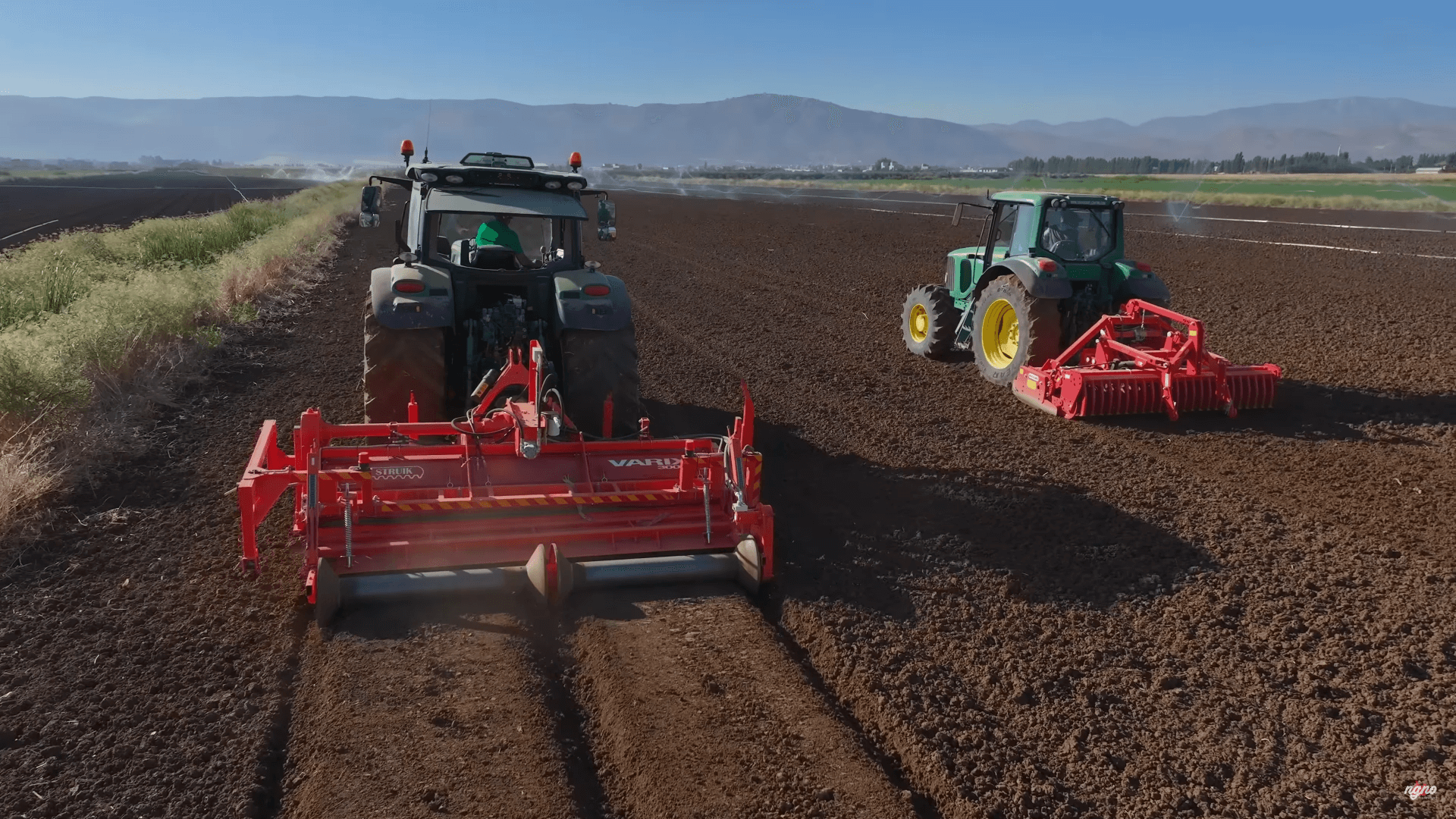

Every field follows the same structured cycle:
Soil Analysis
Cultivation
Seeding
Fertilization
Irrigation
Harvest
Every field is different, so fertiliser is chosen only after soil testing in specialised labs.
For carrots, dedicated seeding machinery spreads seed accurately and evenly, a critical factor in uniform crop quality.
Irrigation is mainly by drip, supported by pivot systems and fed by dedicated wells at each site. This saves water and delivers it to each crop according to its needs.
Balancing irrigation and fertigation throughout the season directly shapes the quality of the final product.
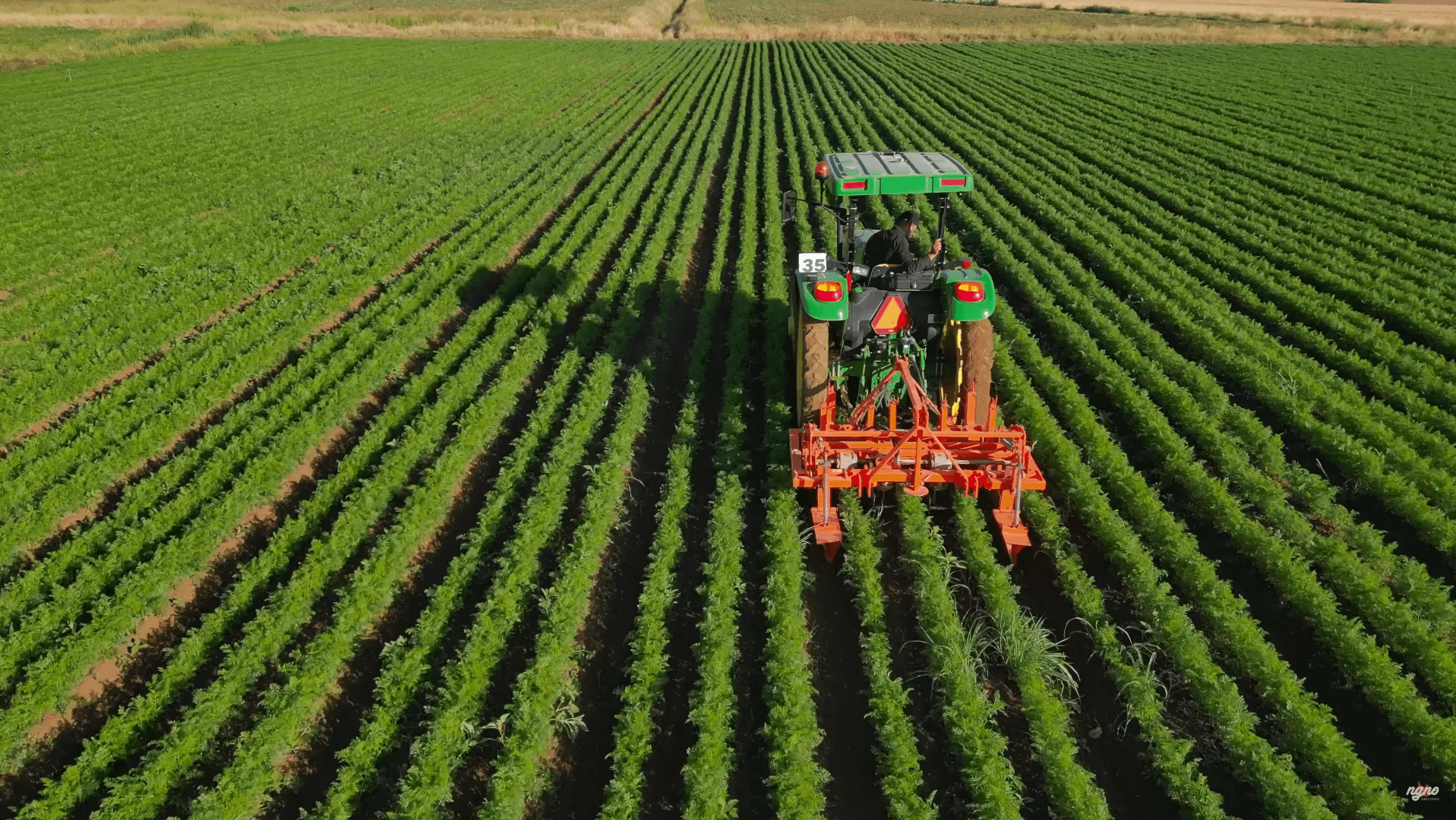

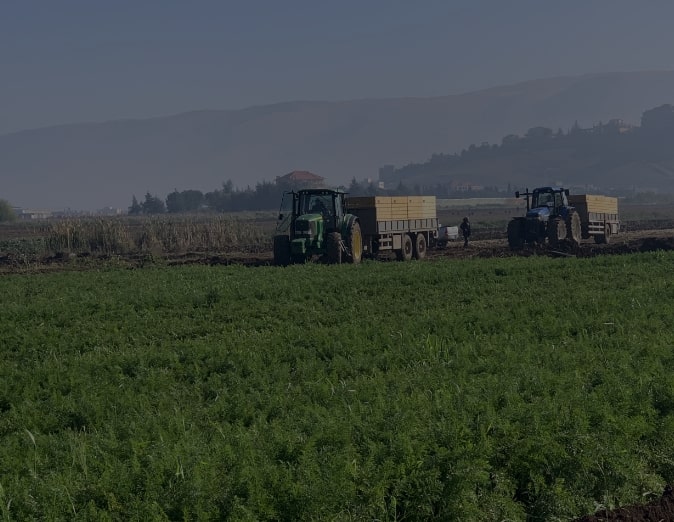
Carrots are harvested once they reach the right size and maturity, typically 95 to 120 days depending on variety. Sweetness and storage potential improve as carrots mature, so our engineers assess each crop individually to set the harvest date.
We harvest during the cooler hours of the day and hydrocool carrots promptly to remove field heat before storage.
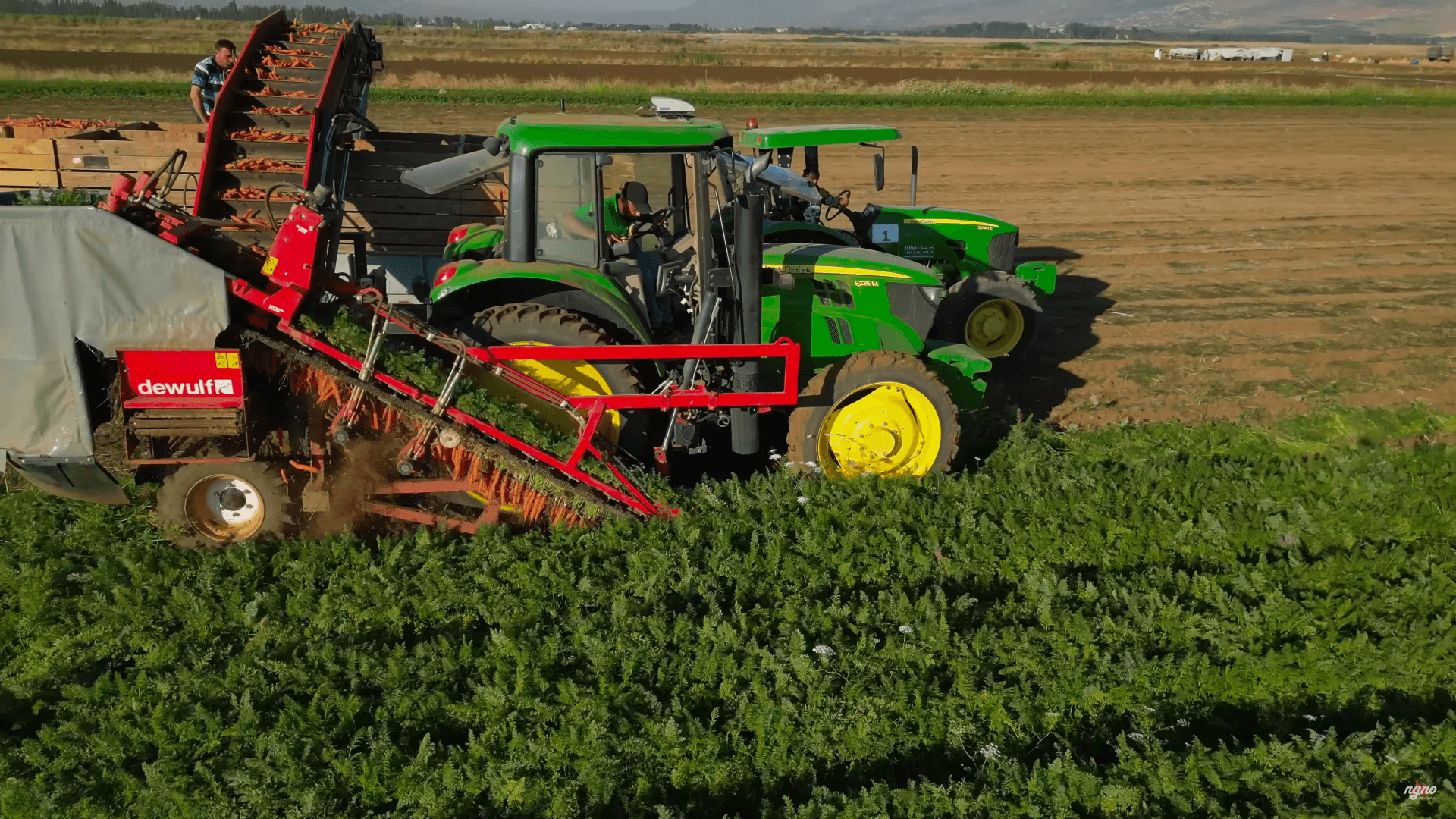

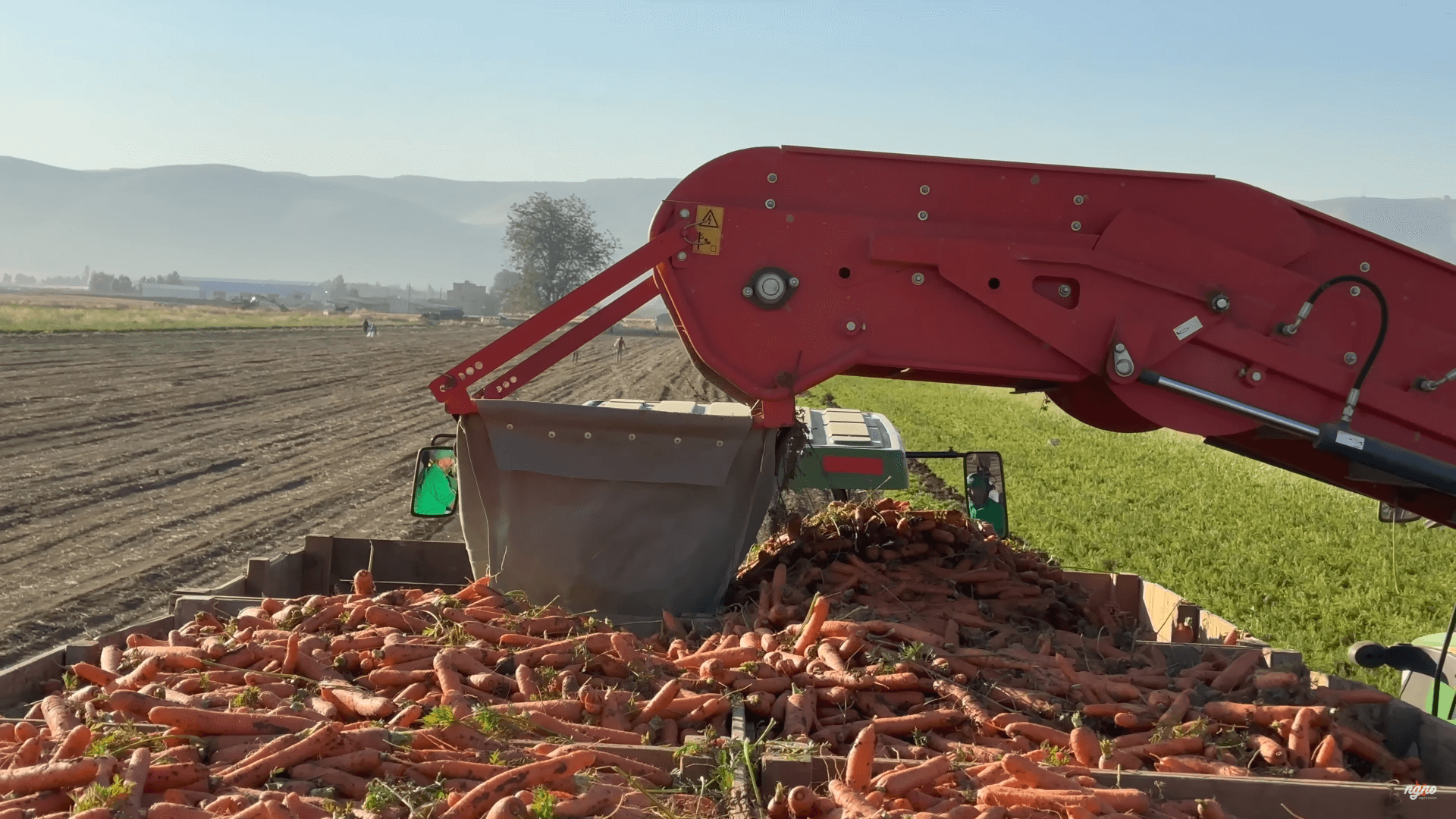
Careful handling avoids scratches and damage that can raise the risk of sclerotinia in storage. Depending on the field and crop, we use a top-lifter carrot harvester or a tractor-drawn mounted digger.

Choose the perfect seeds for each crop.
Periodic audit and daily checkup.
Perform soil laboratory tests.
Perform water laboratory tests.
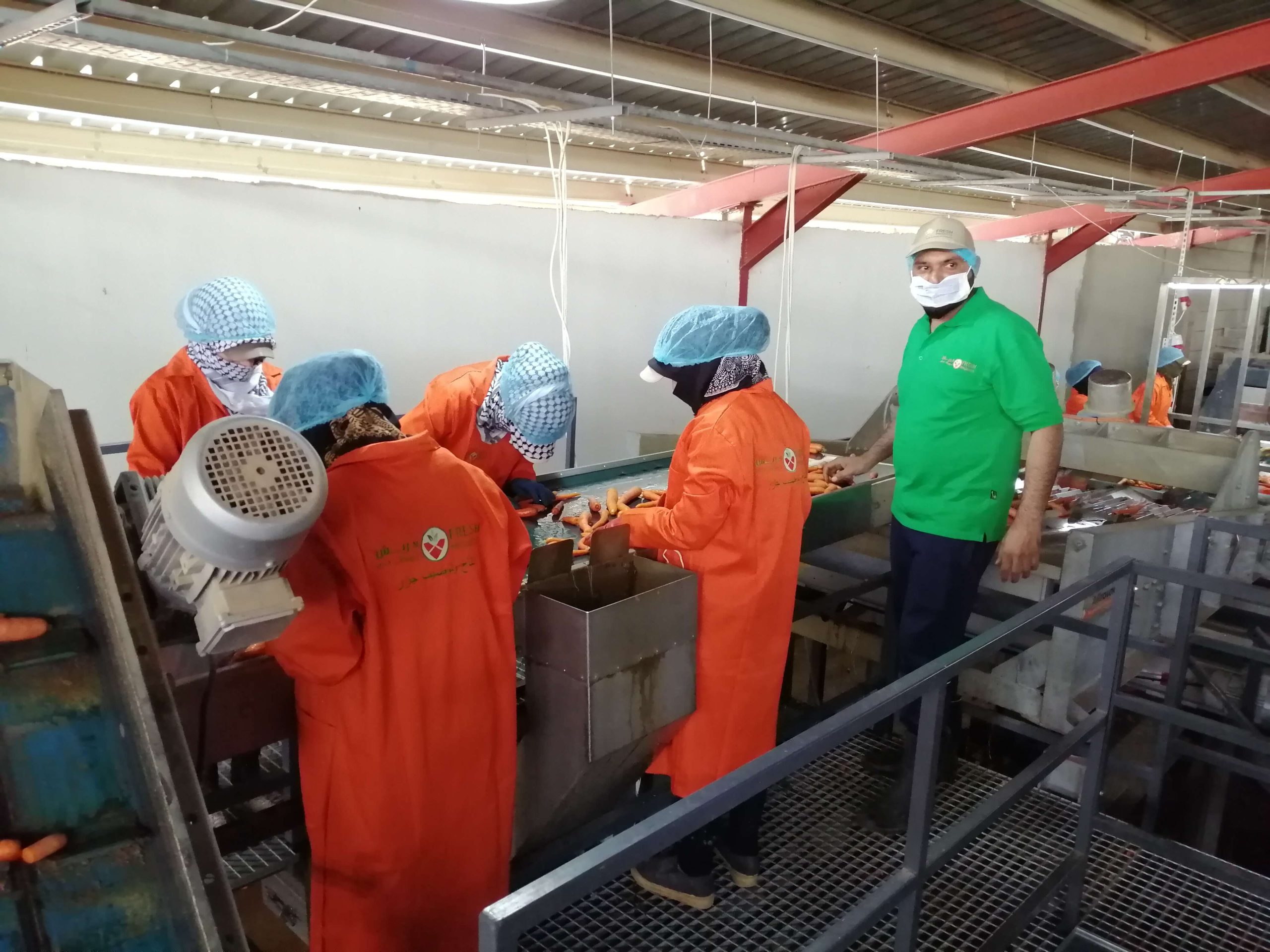

Products receiving.
Raw Material inspection.
Analysis and reports.
Compliance with food safety standards.
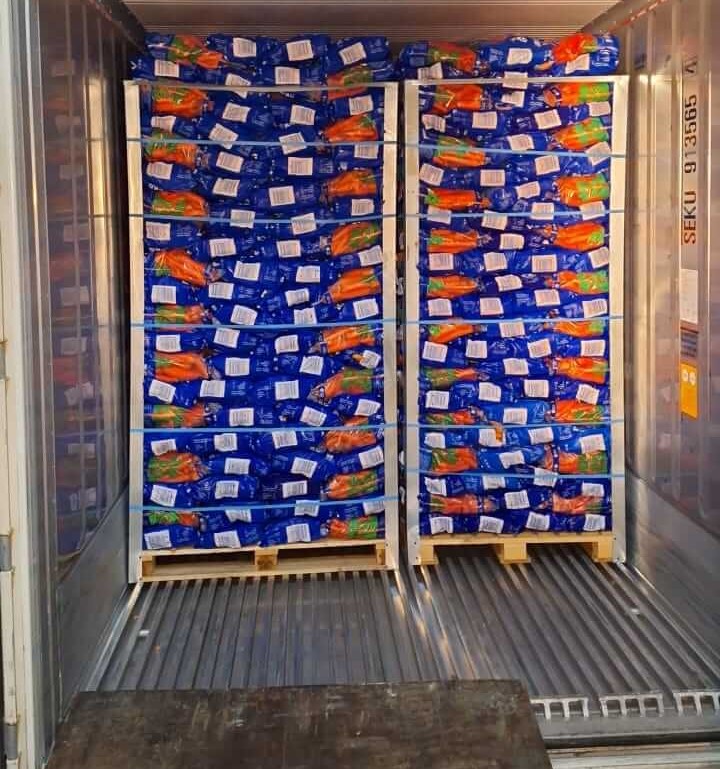

Registering the finished products on the ERP system.
Storing the finished products in a cold warehouse.
Shipping to the markets.
Quality report.
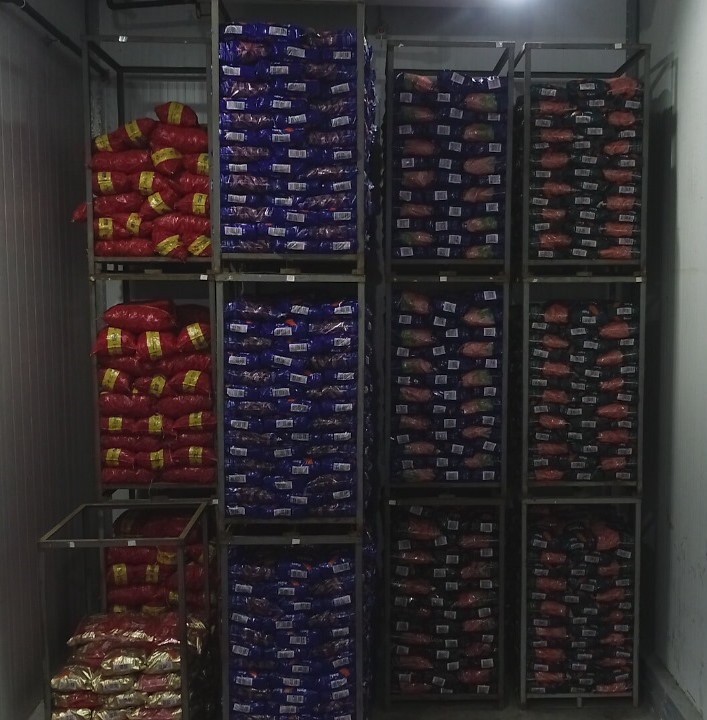

Hydrocooling.
Packaging.
Labeling.
